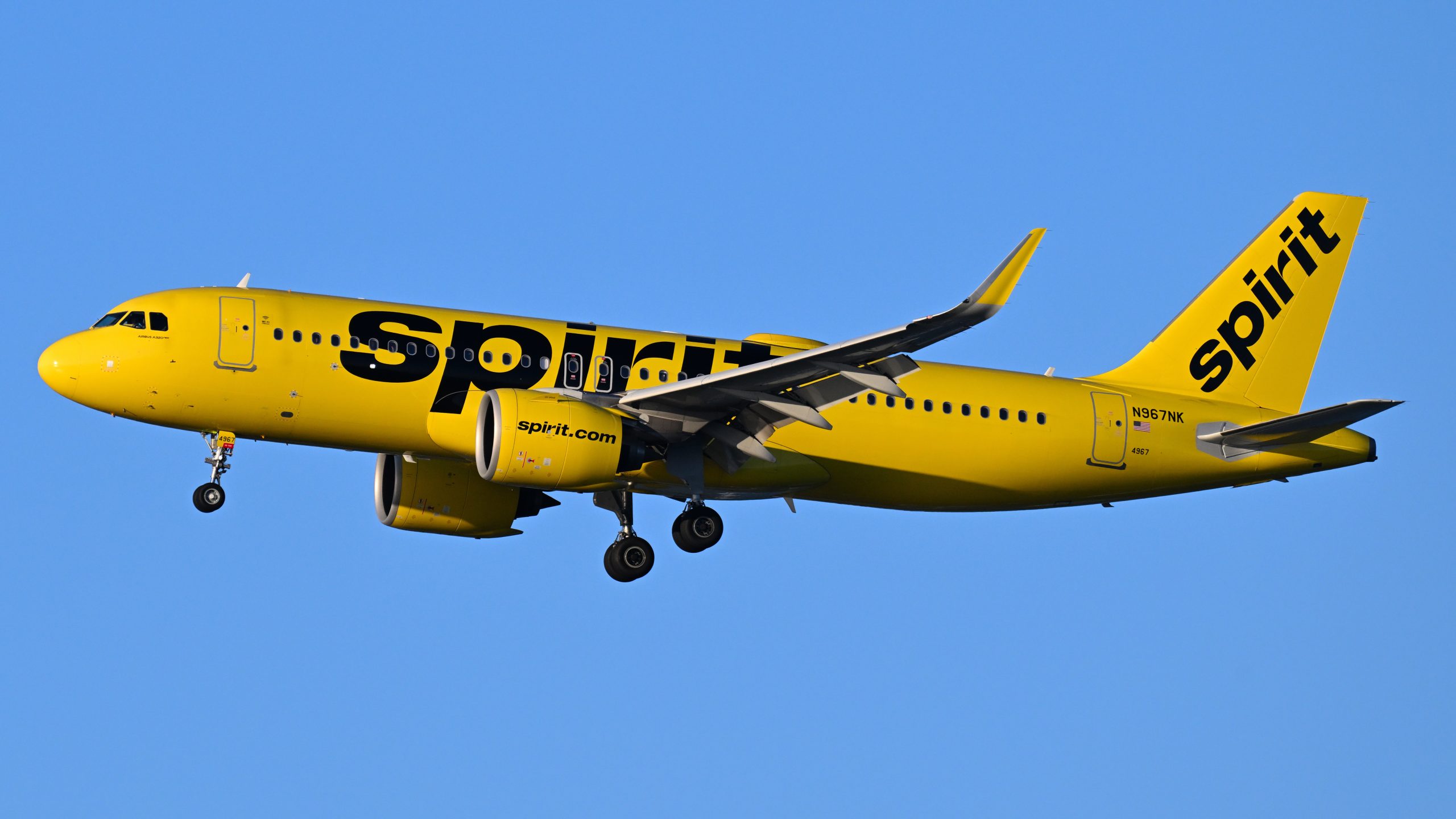
Spirit Airlines Is Gone — And Real People Are Paying the Price
This morning, May 2, 2026, Spirit Airlines officially ceased all operations, abruptly and without warning for many. Terminal A at LaGuardia Airport sat unusually quiet Saturday morning with no lines at the counters, no Spirit Airlines staff anywhere, just a sheet of paper taped over a cardboard sign reading: “We regret to inform you that Spirit Airlines has ceased global operations.”
The collapse wasn’t a single event. It was years in the making. Spirit had struggled financially since the COVID-19 pandemic, weighed down by rising operating costs and growing debt, having lost more than $2.5 billion since the start of 2020. The airline filed for bankruptcy twice in under two years. What finally delivered the killing blow was jet fuel. Prices rose approximately 70% above pre-war levels, a figure painful for any airline but potentially fatal for one already navigating bankruptcy on margins measured in fractions of a percent. As one aviation professor put it, “When you’re a low-cost carrier, by definition, you’re relying on having a cost advantage. And they just don’t have that anymore.”
The wind-down follows the Company’s extensive and comprehensive efforts to restructure the business and pursue transactions to strengthen Spirit’s financial position and create a sustainable path forward. Unfortunately, despite the Company’s efforts, the recent material increase in oil prices and other pressures on the business have significantly impacted Spirit’s financial outlook. With no additional funding available to the Company, Spirit had no choice but to begin this wind-down. – Spirit Aviation Holdings, Inc.
A last-ditch attempt at a $500 million government rescue package fell apart when key creditors rejected the terms. Spirit CEO Dave Davis stated: “The sudden and sustained rise in fuel prices in recent weeks (the results of conflict initiated by the February 28 joint US-Israeli military campaign code-named Operation Epic Fury against Iran) ultimately has left us with no alternative but to pursue an orderly wind-down of the company. Sustaining the business required hundreds of millions of additional dollars of liquidity that Spirit simply does not have and could not procure.”
The decision will put 17,000 workers out of a job, including 14,000 Spirit employees and thousands of contractors whose livelihoods depended on the airline. “Here’s to 19+ years, lifelong friends made, and the best job this guy ever had,” pilot Jason Smith wrote on Instagram. “This isn’t the ending I imagined, but it’s a chapter I’ll always be proud of,” wrote flight attendant Temptest Nicole.
For passengers, the chaos has been immediate. One woman and her elderly mother arrived at the airport for a flight to Charlotte for a family funeral and had not received any notification about their canceled flights. Major carriers including United, Delta, JetBlue, and Southwest are offering capped “rescue fares” and have agreed to price limits for stranded Spirit customers who need to rebook, though the window for those deals is short.
The ripple effects will be felt all summer. Eliminating Spirit‘s flights is likely to raise fares across the entire U.S. airline industry. With the budget option gone and the World Cup drawing international attention this summer, travelers should expect a tighter, pricier market in the air and potentially some relief on the ground, as reduced travel demand may ease hotel pricing heading into the season.
The critical learning
Spirit Airlines’ collapse is a case study in how a business built on razor-thin margins can unravel the moment conditions shift. Its ultra-low-cost model held only as long as costs remained predictable, but a surge in fuel prices exposed the core vulnerability: no pricing power, no financial cushion, and a balance sheet already eroded by years of losses. Even a last-ditch bailout effort underscored the depth of the problem, with the government reportedly seeking a controlling stake that would have wiped out any meaningful recovery for existing lenders—leaving no viable path forward. The lesson extends well beyond aviation. Cost leadership without financial strength is not strategy, it is fragility; efficiency is an operating virtue, not a survival mechanism, and it cannot offset heavy debt or absorb external shocks on its own. When your moat is simply being cheaper, it is inherently temporary, exposed to forces you cannot control. In the end, survival is not determined by who operates leanest in stable conditions, but by who has the margin, flexibility, and resilience to withstand when those conditions inevitably break.
Leave a Reply
You must be logged in to post a comment.