Analysis · Media & Tech
Sun Valley 2026: Why the Guest List Is the Story
Allen & Co.’s invite-only retreat has no public agenda. That’s exactly why the roster of who showed up tells you more than any panel would.
Every July, a stretch of runway at Idaho’s Friedman Memorial Airport becomes one of the densest concentrations of decision-making power in the world. There’s no keynote stage, no press conference, no official agenda. And that’s exactly why it matters. Allen & Co.’s Sun Valley retreat has spent four decades earning its reputation as the place where the next decade of media, tech, and sports gets sketched out on a napkin between hikes. The Disney-ABC merger, Bezos buying the Washington Post, and other era-defining deals all trace back to conversations that started here.
This year’s list is less a guest roster than a map of where power is currently concentrated, and it’s worth reading closely.
The room tells you who’s actually steering
Three industries that used to run on separate tracks are now sitting at the same table because they no longer have a choice.
AI has become the seating chart. OpenAI’s Sam Altman is there. So is Reid Hoffman. So is every major distributor whose business model AI is actively reshaping, including YouTube’s Neal Mohan, whose platform is quietly winning the battle for television viewing time, and Disney’s Josh D’Amaro, fresh into the CEO seat after Bob Iger’s handoff. The subtext is hard to miss: Disney’s push toward an AI partnership with OpenAI reportedly fell apart following Sora’s shutdown, and Disney’s own CFO has downplayed appetite for major M&A, saying the company is comfortable with the assets it already holds. That’s a company signaling it wants to build rather than buy its way through the AI transition. That’s a notably different posture than its rivals.
Media consolidation isn’t finished, it’s accelerating. David Zaslav’s presence lands differently this year. Warner Bros. Discovery’s sale to Paramount Skydance closed after a bidding war that reportedly nets Zaslav a payday north of $800 million. That’s proof that even in an industry shedding jobs and cutting content budgets, the person who engineers the exit still wins. Ted Sarandos is back too, and after Netflix’s reported interest in Warner Bros. last year, the question hanging over every conversation he has this week is whether streaming’s biggest platform is done shopping or just getting started. Barry Diller, meanwhile, arrived fresh off an $18 billion bid for MGM Resorts. That’s a reminder that the appetite for scale isn’t limited to streaming and content.
Sports has fully arrived as a boardroom conversation, not a side panel. MLB’s Rob Manfred, the NFL’s Roger Goodell, Fenway Sports Group’s John Henry, and LA28 chairman Casey Wasserman aren’t there as a courtesy invite. Sports rights are now one of the last reliable draws for live audiences in a fragmented attention economy, and every media company at that table is negotiating or renegotiating a piece of that pie. When the people who run leagues sit down with the people who run streaming platforms and the people who run AI labs, the conversation isn’t really about sports. It’s about who owns the last remaining appointment viewing left on the calendar.
The signal
Strip away the individual names and three things stand out:
AI has stopped being a side conversation and become the organizing principle of the whole gathering. A few years ago, Sun Valley was primarily a media-consolidation story. This year, nearly every attendee’s business (streaming, search, gaming, sports rights, even the automotive industry via GM’s Mary Barra) is being renegotiated around what AI does to distribution, labor, and content economics. Watch for quiet alignment, or open tension, between AI labs and the distributors who need their content protected.
Consolidation fatigue hasn’t set in. It has just moved targets. The WBD-Paramount deal proves the appetite for scale is still very much alive. The open question this week is who’s next. Netflix’s ambitions, Diller’s MGM bid, and Disney’s comparatively conservative M&A stance all suggest the next wave of deals will be uneven: some players buying aggressively, others digesting what they already have.
Sports rights are the new scarcity play. As AI reshapes content economics and streaming fragments audiences further, live sports remain one of the few things guaranteed to draw appointment viewing. Expect the sports commissioners and owners in that room to be some of the most courted people there, not the least.
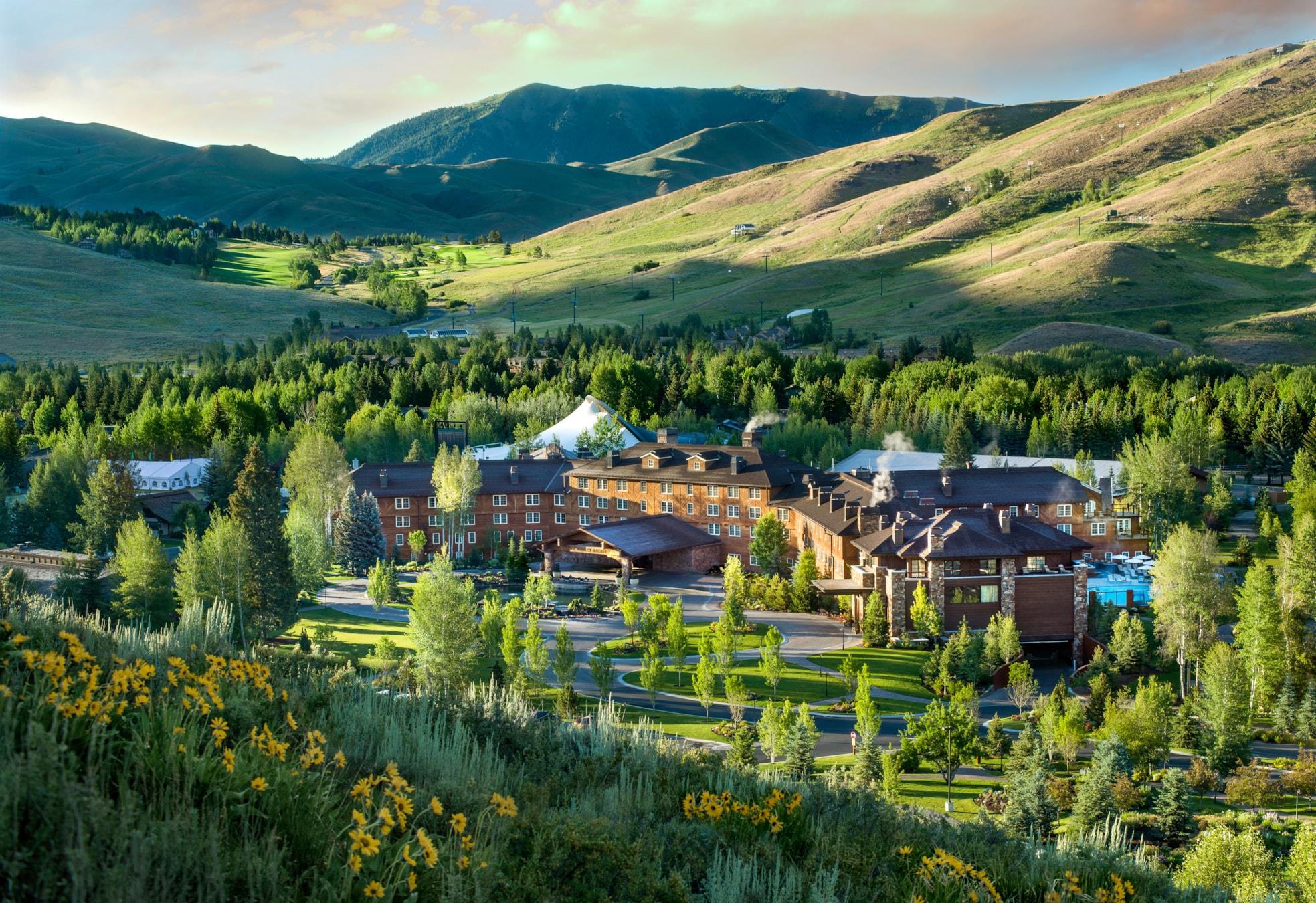
None of this will be announced this week. Sun Valley doesn’t work that way. The value is in the room, not the release. But the deals, partnerships, and pivots that get floated quietly over the next few days at the Sun Valley Lodge tend to surface as headlines six, twelve, or eighteen months out. If you want an early read on where tech, media, and sports are headed, the guest list itself is usually the first draft.
Leave a Reply
You must be logged in to post a comment.